Preface
Dolphin studies encompass migration, genetics, physiology, and communication, revealing complex behaviors. Recent research highlights mortality rates and conservation challenges,
particularly concerning habitat degradation and historical impacts.
Dolphin research is a multidisciplinary field, integrating marine biology, genetics, and acoustics to understand these intelligent creatures. Investigations span population dynamics, communication repertoires, and the subtle impacts of environmental stressors. Studies analyze migration patterns, genetic diversity, and physiological adaptations, crucial for effective conservation strategies.
Scope of the Article & Data Sources
This article synthesizes current knowledge on dolphin biology, encompassing genetics, health, behavior, and conservation. Data originates from peer-reviewed publications (Kennedy, 1998, et al.) and recent findings (Cunha et al., 2021). We examine Adriatic Sea impacts, morbillivirus epidemiology, and Brazilian conservation efforts.
The Integument of Dolphins, Including Development & Specific Adaptations to the Aquatic Environment
Dolphin skin exhibits unique structures aiding hydrodynamics and thermoregulation. Development involves specialized layers for efficient movement and protection within the marine habitat.
Dolphin Skin Structure
Dolphin skin comprises three primary layers: epidermis, dermis, and hypodermis. The epidermis lacks hair and possesses a rapid renewal rate, minimizing drag. The dermis contains collagen and elastic fibers, providing flexibility. Beneath lies the hypodermis, a thick blubber layer crucial for insulation and energy storage, vital for maintaining core body temperature in aquatic environments.
Adaptations for Hydrodynamics
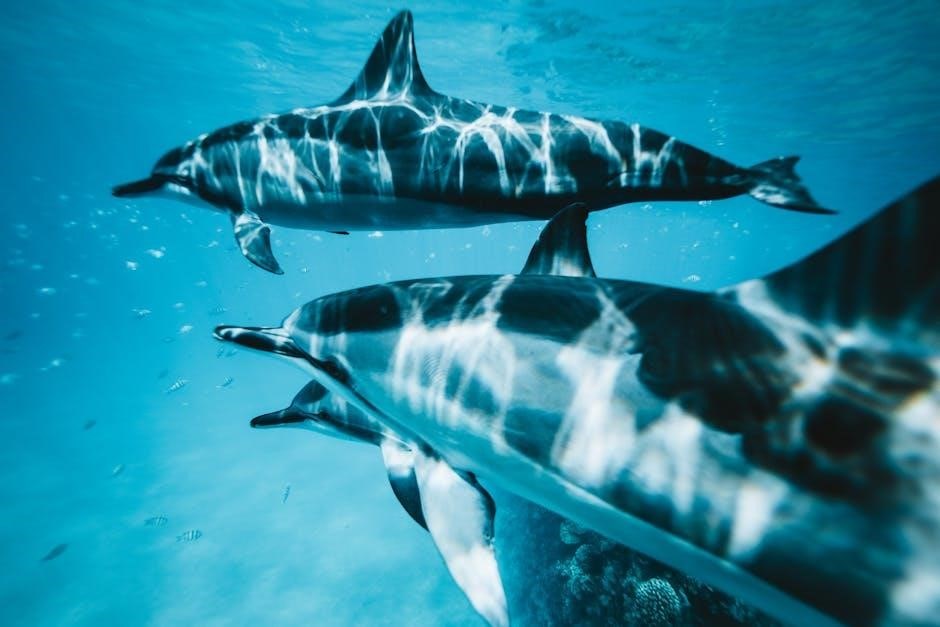
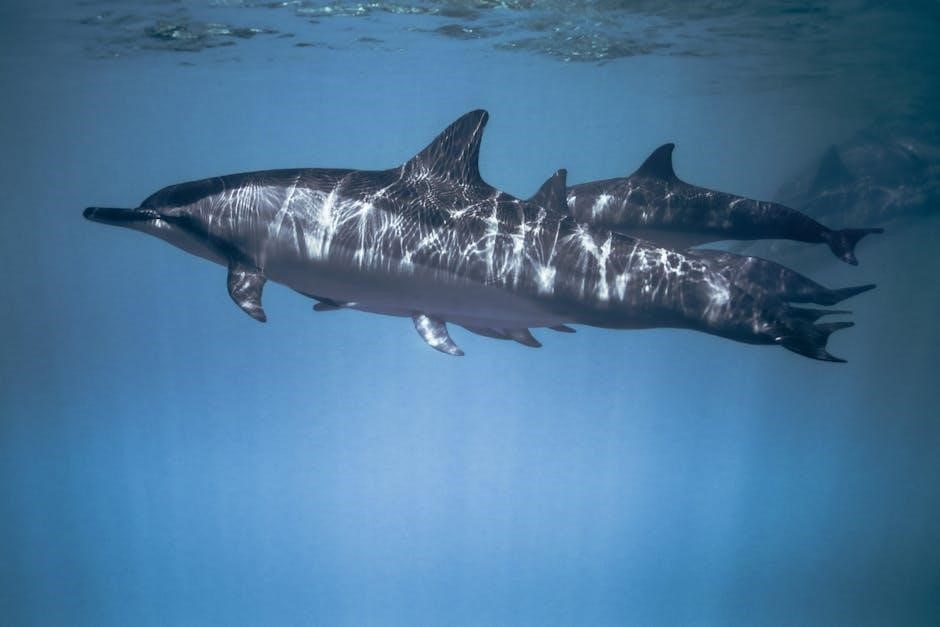
Dolphins exhibit streamlined body shapes and smooth skin to reduce drag, enhancing swimming efficiency. Their powerful tail flukes provide propulsion, while pectoral fins offer steering and stability. Specialized dermal ridges further minimize turbulence, contributing to exceptional speed and agility in the water column.
Heavy Metals in Dolphins from Northern Adriatic Sea & Potential Subtle Toxic Effects
Adriatic dolphins accumulate heavy metals, potentially causing subtle health issues. Research links pollution to physiological impacts, demanding further investigation into bioaccumulation processes and long-term effects.
Bioaccumulation of Heavy Metals
Dolphin tissues demonstrate a concerning capacity for heavy metal bioaccumulation within the Northern Adriatic Sea. This process, driven by environmental pollution, concentrates toxins up the food chain, impacting apex predators like dolphins. Understanding the specific pathways and rates of accumulation is crucial for assessing ecological risk and implementing effective mitigation strategies.
Impact on Dolphin Health & Physiology
Heavy metal exposure in dolphins correlates with subtle toxic effects, potentially disrupting immune function and reproductive success. Research indicates sex and age-related vulnerabilities, impacting overall population health. Further investigation is needed to fully elucidate the physiological consequences and long-term implications for dolphin survival.
From DNA to RNA to Proteins: Molecular Approaches to Decipher Dolphins Genetic Information
Genome sequencing and molecular receptor studies reveal insights into dolphin immunity and genetic diversity, crucial for understanding population health and evolutionary adaptations.
Dolphin Genome Sequencing
Complete genome sequencing provides a foundational understanding of dolphin evolution, adaptation, and susceptibility to diseases. Analyzing genetic variations helps assess population structure, inbreeding, and the impact of limited gene flow. This molecular data is vital for effective conservation strategies, revealing unique genetic markers and potential vulnerabilities.
Molecular Receptors and Immune System
Dolphin immune systems are fascinating, exhibiting unique molecular receptors crucial for pathogen recognition and response. Research explores how these receptors contribute to disease resistance and susceptibility, particularly to cetacean morbillivirus. Understanding these mechanisms is key to assessing population health and developing targeted conservation efforts.

New Perspectives on the Cetacean Morbillivirus Epidemiology & Taxonomy
Cetacean morbillivirus strains pose significant threats, impacting dolphin populations globally. Ongoing research focuses on viral evolution, transmission pathways, and taxonomic classifications.
Cetacean Morbillivirus Strains
Diverse strains of Cetacean Morbillivirus (CeMV) exhibit varying virulence and host susceptibility. Phylogenetic analyses reveal distinct lineages circulating among different cetacean species, influencing epidemic patterns. Understanding strain-specific characteristics is crucial for effective surveillance, diagnosis, and mitigation strategies to protect vulnerable dolphin populations.
Impact on Dolphin Populations
Cetacean Morbillivirus outbreaks cause significant mortality events in dolphin populations, leading to dramatic declines. The virus impacts reproductive success and immune function, exacerbating population vulnerability. Geographic variations in susceptibility and outbreak severity necessitate targeted conservation efforts and ongoing monitoring programs.
Mediterranean Common Bottlenose Dolphins Repertoire & Communication Use
Bottlenose dolphins utilize a complex whistle repertoire for communication, including distinctive signature whistles crucial for individual recognition and maintaining social cohesion.
Whistle Repertoire Analysis
Detailed analysis of Mediterranean bottlenose dolphin whistles reveals a diverse range of signal structures. Researchers categorize these whistles based on their frequency modulation, duration, and harmonic content. This allows for identification of individual signature whistles and broader communication patterns within dolphin communities, aiding in understanding their social dynamics.
Function of Distinctive Whistle-Like Signals
Distinctive whistles serve crucial roles in bottlenose dolphin communication, primarily for individual recognition and maintaining social cohesion. These signals function as “names,” facilitating contact and coordination within groups. Contextual use suggests roles in coordinating movements, alerting to danger, and reinforcing social bonds.
Use & Function of Distinctive Whistle-Like Signals in Bottlenose Dolphin
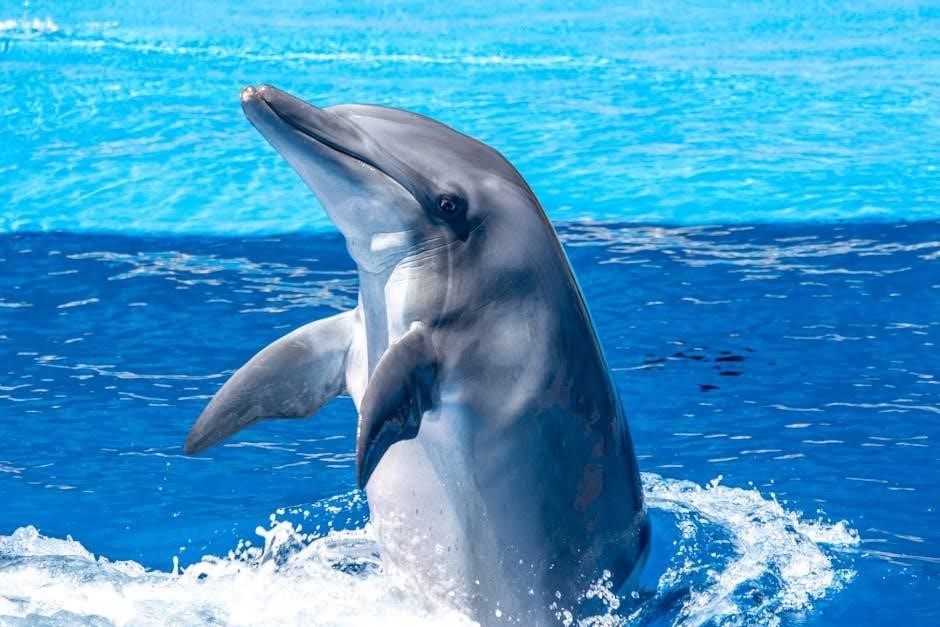
Bottlenose dolphins utilize signature whistles for individual identification, social bonding, and coordinating activities, demonstrating complex communication strategies within their dynamic social structures.
Individual Signature Whistles
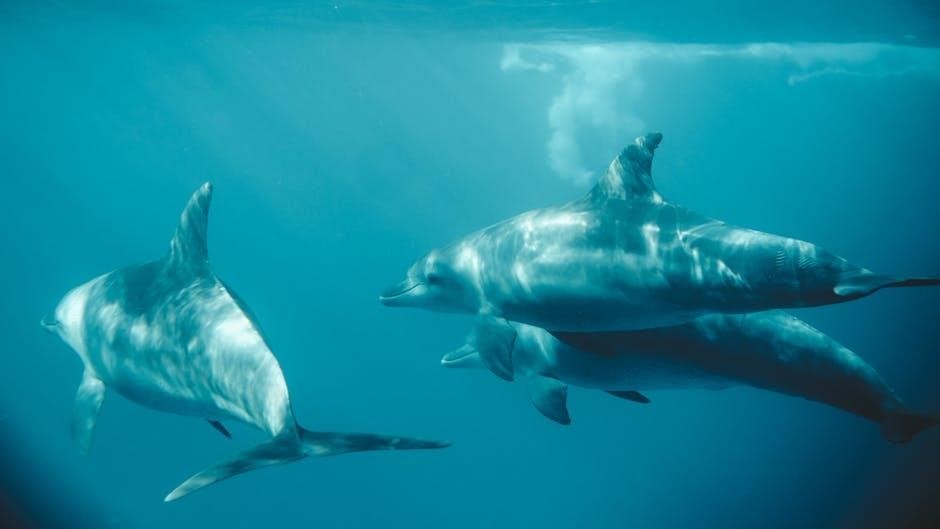
Each bottlenose dolphin develops a unique whistle early in life, functioning much like a name. These signature whistles are maintained throughout their lifespan and are crucial for individual recognition. Dolphins readily copy each other’s whistles, potentially addressing individuals directly or announcing their presence within the group, fostering cohesion.
Contextual Communication
Beyond signature whistles, dolphins employ a diverse repertoire of vocalizations adapted to specific situations. These include burst-pulsed sounds used during aggressive encounters and varied whistles conveying emotional states. Communication isn’t solely acoustic; body language and tactile interactions also play vital roles in conveying information.
Morphological, Compositional & NMR Dynamic Characteristics of the Echolocating Organs of Stenella Coeruleoalba
Morphological, Compositional & NMR Dynamic Characteristics of the Echolocating Organs of Stenella Coeruleoalba
The melon, a lipid-filled structure, focuses echolocation signals. NMR analysis reveals dynamic properties crucial for sound production and reception in these dolphins.
Melon Structure and Function
The dolphin melon is a specialized fatty tissue in the forehead, acting as an acoustic lens. It focuses outgoing clicks into a directional beam for echolocation, enhancing prey detection. Compositionally, it’s rich in lipids, dynamically adjusting shape and density to modify sound transmission, crucial for underwater navigation and foraging success.
Echolocation Signal Production
Dolphins generate high-frequency clicks within nasal sacs, not the blowhole. These sounds travel through the melon, focusing the beam. Air sacs modulate sound, and the returning echoes are received via the lower jaw, transmitted to the inner ear, providing detailed environmental mapping for hunting and navigation.

Traditional Uses & Conservation of Dolphins in Brazil
Historically, Brazilian communities interacted with dolphins, sometimes aiding fishing. Current conservation focuses on mitigating threats like habitat loss and accidental catches, protecting these vital species.
Historical Interactions with Dolphins
For centuries, coastal Brazilian communities developed unique relationships with dolphins, notably the Guiana dolphin (Sotalia guianensis). These interactions often involved collaborative fishing practices, where dolphins aided fishermen by herding fish towards their nets. This mutualism demonstrates a long history of coexistence and knowledge transfer, though modern pressures threaten these traditions.
Current Conservation Efforts
Presently, Brazilian conservation focuses on mitigating threats like entanglement in fishing gear and habitat loss. Initiatives include establishing marine protected areas, promoting sustainable fishing practices, and conducting research to understand dolphin population dynamics. Community engagement is crucial for long-term success, fostering stewardship and reducing human-dolphin conflict.
Does Affiliative Body Contact Repair Relationships among Bottlenose Dolphins?
Research suggests physical contact strengthens social bonds, potentially resolving conflicts within dolphin communities. This behavior plays a vital role in maintaining group cohesion.
Social Bonding and Behavior
Bottlenose dolphins exhibit intricate social structures, relying on affiliative behaviors for cohesion. These interactions, including body contact, reinforce relationships and mitigate conflict. Understanding these dynamics is crucial for comprehending dolphin society, as it influences cooperative behaviors like foraging and defense against predators, ultimately impacting population stability.
Role of Physical Contact
Physical contact among bottlenose dolphins serves a vital role in repairing relationships after conflict or stress. This affiliative behavior, including rubbing and gentle touching, demonstrably reduces tension and restores social bonds. Such interactions are essential for maintaining group harmony and cooperative strategies within dolphin communities.

Dolphin Migration Patterns
Dolphins exhibit seasonal movements influenced by factors like prey availability and breeding cycles. These patterns are crucial for survival and reproductive success.
Seasonal Movements
Dolphin populations undertake predictable seasonal shifts, often following prey distributions. These movements can be local or span vast distances, driven by resource fluctuations and reproductive needs. Understanding these patterns is vital for effective conservation strategies, especially given increasing environmental pressures and habitat changes impacting their foraging grounds.
Factors Influencing Migration
Several key factors drive dolphin migration, including prey availability, water temperature, and breeding cycles. Overfishing significantly depletes food sources, forcing relocation. Climate change alters ocean conditions, impacting prey distribution and prompting shifts in migratory routes, posing challenges to dolphin survival.
Inbreeding and Genetic Diversity
Limited gene flow within dolphin populations leads to inbreeding, reducing genetic diversity. This impacts their ability to adapt and survive environmental changes effectively.
Impact of Limited Gene Flow
Restricted gene flow among dolphin populations, often due to fragmented habitats or behavioral barriers, significantly diminishes genetic diversity. This reduction compromises adaptive potential, increasing vulnerability to diseases and environmental stressors. Consequently, inbreeding depression becomes more prevalent, potentially leading to reduced reproductive success and overall population decline.
Conservation Implications
Maintaining genetic diversity is crucial for long-term dolphin population viability. Conservation strategies must prioritize mitigating factors that restrict gene flow, such as habitat fragmentation and anthropogenic barriers. Establishing protected corridors and managing fisheries sustainably are essential steps towards bolstering dolphin resilience.
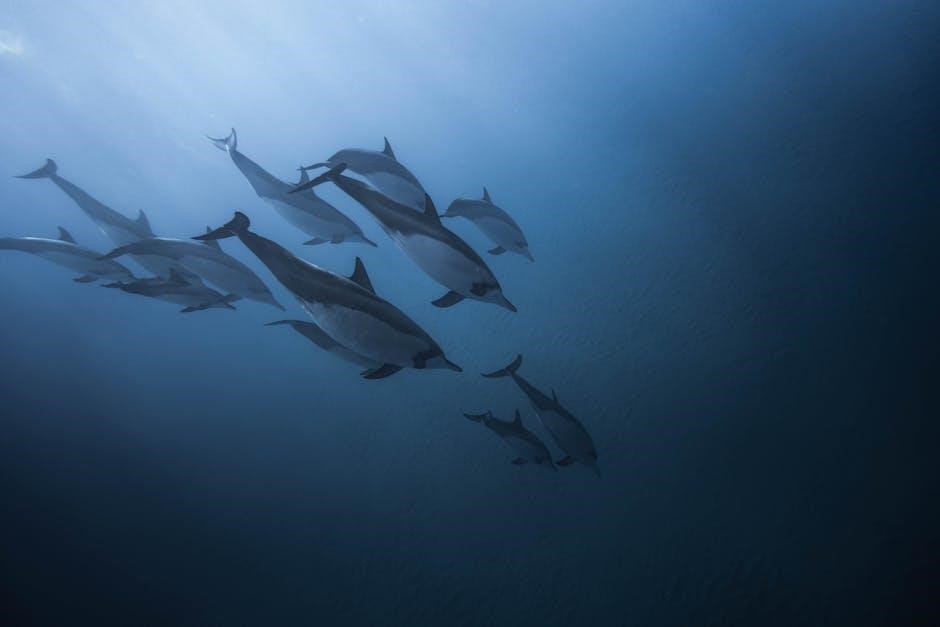
Dolphin Physiology and Speed
Dolphins exhibit remarkable adaptations, including conical teeth for prey capture and exceptional hearing for underwater navigation. They can reach speeds of 29 km/h.
Conical Teeth and Prey Capture
Dolphins possess numerous conical teeth, perfectly designed not for chewing, but for grasping slippery fish and squid. These teeth aid in securing fast-moving prey, preventing escape during consumption. The streamlined body and powerful tail further enhance their hunting efficiency in aquatic environments, ensuring successful feeding strategies.
Hearing Adaptations
Dolphins exhibit exceptionally well-developed hearing, adapted for effective sound reception both in air and underwater. This remarkable adaptation allows them to navigate and hunt using echolocation, even in low-visibility conditions. Some dolphins can even thrive despite blindness, relying heavily on their acute auditory senses.
Habitat Degradation and Dolphin Populations
Overfishing and historical dolphin captures significantly impact Adriatic cetacean populations, causing prey depletion and ecosystem disruption, demanding urgent conservation strategies.
Impact of Overfishing
Overfishing drastically reduces prey availability for dolphins, leading to nutritional stress and population declines, especially in areas like the eastern Ionian Sea. This depletion affects marine megafauna, disrupting the food web and impacting dolphin health, reproductive success, and overall survival rates, necessitating sustainable fishing practices.
Role of Historical Takes
Historical dolphin captures, for various purposes, significantly reduced population sizes and genetic diversity. These past “takes” compounded with modern threats like habitat degradation, continue to shape the present vulnerability of cetacean populations, particularly in regions like the northern Adriatic Sea, demanding focused conservation efforts.
Dolphin Mortality Rates
Mortality exhibits sex and age-related differences, influenced by factors like prey depletion, overfishing, and disease outbreaks, impacting population dynamics and long-term viability.
Sex and Age-Related Differences
Recent studies, such as Cunha et al. (2021), demonstrate distinct mortality patterns between sexes and age groups in Guiana dolphins. These variations likely stem from differing foraging strategies, reproductive pressures, and susceptibility to environmental stressors, necessitating targeted conservation approaches.
Factors Contributing to Mortality
Dolphin mortality is influenced by a complex interplay of factors, including bycatch from overfishing, habitat degradation, and disease outbreaks like Cetacean Morbillivirus. Historical takes also significantly impacted populations, demanding comprehensive assessments and mitigation strategies for effective conservation efforts;

Index
Key terms include bioaccumulation, echolocation, genetic diversity, morbillivirus, migration patterns, and physiological adaptations, crucial for understanding dolphin biology and conservation challenges.
Key Terms and Concepts
Essential terminology encompasses bioaccumulation of heavy metals, cetacean morbillivirus strains, distinctive whistle-like signals, conical teeth adaptation, and the function of the melon in echolocation. Understanding these concepts is vital for deciphering dolphin physiology, communication, and the threats they face, including habitat degradation and mortality factors.