Instant Pot IP-LUX Manual: A Comprehensive Guide (Updated 12/17/2025)
Unlock the full potential of your Instant Pot IP-LUX! This guide details capabilities, installation, operation, and troubleshooting – a resource for effortless, delicious meals.
Welcome to the world of convenient and efficient cooking! The Instant Pot IP-LUX is a versatile multi-cooker designed to simplify your kitchen routine. It’s more than just a pressure cooker; it functions as a slow cooker, rice cooker, steamer, sauté pan, and warmer – all in one appliance.

This manual serves as your comprehensive guide to mastering the IP-LUX. Whether you’re a seasoned chef or a beginner, you’ll discover how to create flavorful meals with ease. From quickly thawing frozen ingredients to preparing elaborate dishes, the Instant Pot offers a solution for busy lifestyles. Embrace the power of pressure cooking and unlock a new level of culinary possibilities. This guide will help you navigate its features and ensure safe, successful cooking experiences.
What’s Included in the Box?
Upon opening your Instant Pot IP-LUX package, you should find the following components: The main Instant Pot base unit, including the inner pot (typically stainless steel). A pressure cooking lid with a steam release valve and anti-block shield is also included. You’ll also receive a condensation collector to catch excess moisture during cooking.
Additionally, the box contains a power cord for operation, and a helpful user manual to guide you through setup and cooking. Some models may include a steaming rack for elevated cooking, and a rice paddle for serving. Carefully verify all components are present and undamaged before first use. Retain the packaging for potential warranty claims or returns. Familiarize yourself with each part to ensure proper assembly and operation.
Understanding the Control Panel
The Instant Pot IP-LUX control panel is designed for intuitive operation; It features a digital display that clearly shows cooking time, pressure level, and selected program. The Power button initiates and terminates operation. Menu buttons access pre-programmed “Smart Programs” like Soup, Meat/Stew, Bean/Chili, and Rice.
“+” and “-” buttons adjust cooking time and temperature. The Start/Cancel button begins or stops the cooking cycle. Display panel indicators show the current status – whether the pot is heating, under pressure, or keeping warm. Understanding these indicators is crucial for safe and effective use. The control panel allows for customized cooking or utilizing the convenient pre-set functions for various dishes.
Power Button & Functions
The Power button on your Instant Pot IP-LUX is the primary control for initiating and terminating all cooking processes. A single press activates the appliance, displaying “OFF” initially, then transitioning to a default standby mode. Pressing it again while in standby begins the cooking cycle based on the selected program and settings.
To cancel a cooking cycle mid-process, press and hold the Power button for a few seconds. This immediately stops heating and begins a gradual pressure release. The Power button doesn’t adjust settings directly; it simply turns the Instant Pot on or off and controls the start/stop of cooking. It’s essential for safety and managing the appliance’s overall operation.

Menu Buttons: Smart Programs Explained
The Instant Pot IP-LUX boasts several “Smart Programs” accessible via dedicated Menu buttons. These pre-programmed settings simplify cooking common dishes. The ‘Soup/Broth’ function is ideal for long-simmered flavors, while ‘Meat/Stew’ excels at tenderizing tougher cuts. ‘Bean/Chili’ optimizes pressure and time for perfectly cooked legumes.
‘Rice’ is designed for various rice types, and ‘Porridge’ creates creamy breakfast options. The ‘Sauté’ function, though also a button, acts differently – it’s for browning and simmering. Each program has default settings, but you can often adjust cooking time and pressure levels. Understanding these programs unlocks convenient, one-touch cooking for a wide range of meals, making meal preparation significantly easier.
Display Panel Indicators
The Instant Pot IP-LUX’s display panel provides crucial information during operation. The primary display shows the cooking time remaining, updating dynamically as the process unfolds. Indicators signal different stages: ‘Preheating’ signifies the pot is reaching pressure, while ‘Pressure Cooking’ confirms active cooking.
A ‘Keep Warm’ indicator illuminates once cooking completes, maintaining food temperature. The ‘Delay Start’ indicator shows when a delayed cooking cycle is engaged. Error codes, if any, will also appear on the display, signaling potential issues. Understanding these indicators is vital for monitoring your cooking progress and ensuring safe, successful results. Pay close attention to these signals for optimal performance.
Setting Up Your Instant Pot IP-LUX
Before your first culinary adventure, proper setup is essential. Begin by carefully unpacking all components and verifying everything listed in the ‘What’s Included’ section is present. Place the Instant Pot on a stable, heat-resistant surface, away from water sources. Ensure adequate ventilation around the unit.

Familiarize yourself with the lid sealing mechanism and the steam release valve. It’s crucial to perform an initial testing phase, including a water test, to confirm functionality and safety. This involves adding water to the inner pot and running a short cooking cycle – detailed in the following section – to ensure a secure seal and proper pressure regulation.
Initial Testing & Safety Checks
Prior to cooking, rigorous safety checks are paramount. Inspect the sealing ring for any damage or debris, ensuring a proper fit within the lid. Verify the anti-block shield is correctly positioned over the steam release valve – this prevents food particles from obstructing the valve.
Carefully examine the inner pot for dents or warping, as these can affect pressure build-up. Confirm the float valve moves freely up and down. A visual inspection of the exterior housing should reveal no cracks or damage. These preliminary checks guarantee safe and efficient operation, preventing potential issues during pressure cooking. Always prioritize safety before initiating any cooking program.
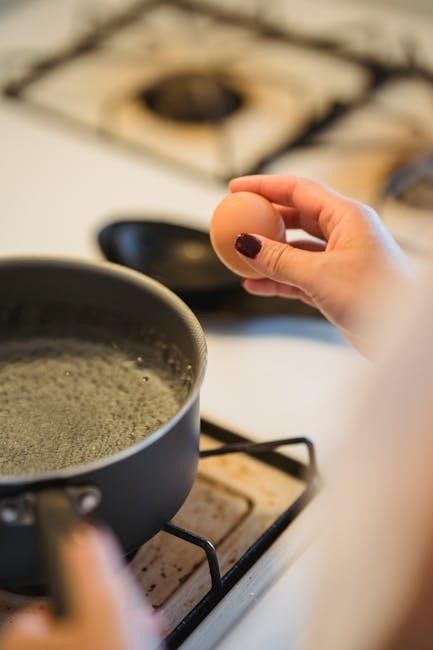
Water Test: A First-Time Use Guide

Before cooking food, perform a water test to familiarize yourself with the Instant Pot’s functions and ensure proper sealing. Add 3 cups of water to the inner pot. Secure the lid, ensuring the sealing ring is correctly positioned and the float valve is free to move.
Select the ‘Manual’ or ‘Pressure Cook’ setting on high pressure for 5 minutes. Allow the pot to come to pressure and then perform a Quick Pressure Release (QPR) following the safety guidelines. This confirms the pressure builds and releases correctly. Observe for any leaks. A successful water test indicates the Instant Pot is functioning as intended, ready for delicious meals!
Cooking with the Instant Pot IP-LUX
The Instant Pot IP-LUX excels at versatile cooking! Begin with Pressure Cooking Basics – adding ingredients and liquid, securing the lid, selecting a program (or manual settings for time & pressure), and allowing for pressure build-up and release.
Utilize the Sauté Function to brown meats and sauté vegetables directly in the pot before pressure cooking, building layers of flavor. Explore Slow Cooking for tender, fall-off-the-bone results, mimicking traditional slow cookers. Finally, master the Rice/Grain Setting for perfectly cooked rice, quinoa, and other grains – a convenient one-pot solution for side dishes and complete meals.
Pressure Cooking Basics
Pressure cooking with the IP-LUX is remarkably straightforward! Start by adding your ingredients and the appropriate amount of liquid – always adhering to minimum liquid requirements to prevent a “Burn” message. Secure the lid, ensuring the sealing ring is properly in place and the vent is set to ‘Sealing’.
Select your desired program (like ‘Meat/Stew’ or ‘Soup’) or manually set the cooking time and pressure level (High or Low). Allow the pot to come to pressure; this time varies depending on the amount of liquid. Once cooking is complete, choose between Quick Release (carefully releasing steam) or Natural Pressure Release (allowing pressure to dissipate naturally) based on the recipe.
Sauté Function: Browning & Simmering
The Sauté function on your IP-LUX is perfect for browning meats and vegetables directly in the pot before pressure cooking, minimizing cleanup and maximizing flavor; Simply select ‘Sauté’ and adjust the heat level (Low, Medium, or High) as needed. Add oil, then your ingredients, and cook until browned, stirring frequently.

This function is also excellent for simmering sauces or reducing liquids after pressure cooking. Remember, the Sauté function doesn’t build pressure. Be mindful of sticking and scorching, especially with sugary ingredients. It’s a versatile tool for building layers of flavor within your dishes, offering convenience and control.
Slow Cooking with the IP-LUX
While renowned for pressure cooking, your Instant Pot IP-LUX also excels at slow cooking! This offers a convenient alternative to traditional slow cookers, utilizing the same pot for multiple cooking methods. Select the ‘Slow Cook’ function and choose your desired time (Low or High). Remember that slow cooking times will differ from conventional slow cookers – typically, 1 hour on High equals 2-3 hours on Low.

The IP-LUX’s slow cooking function is ideal for tenderizing tougher cuts of meat or developing rich, complex flavors in stews and soups. Ensure sufficient liquid is present to prevent scorching. This feature provides flexibility, allowing you to enjoy slow-cooked meals even without a dedicated slow cooker appliance.
Using the Rice/Grain Setting

The Instant Pot IP-LUX simplifies rice and grain cooking with its dedicated ‘Rice/Grain’ setting. This program automatically adjusts cooking time and temperature for fluffy, perfectly cooked results. For white rice, a typical ratio is 1 cup rice to 1 cup water. Brown rice usually requires a slightly higher water ratio – around 1 cup rice to 1.25 cups water.
Before starting, rinse the rice to remove excess starch. Ensure the inner pot is clean and the lid is securely sealed. The ‘Rice/Grain’ setting is also suitable for quinoa, barley, and other grains, though adjustments to the water ratio may be necessary. Experiment to find the perfect settings for your preferred grains and achieve consistently delicious outcomes.
Safety Features & Precautions
The Instant Pot IP-LUX prioritizes safety with multiple built-in features. Overpressure protection vents excess pressure, preventing dangerous build-up, while a safety lock ensures the lid remains sealed during operation. Understanding pressure release methods – quick release versus natural release – is crucial. Quick release rapidly lowers pressure, suitable for certain foods, but can cause splattering.
Natural release allows pressure to dissipate gradually, ideal for soups and stocks. Never force open the lid while pressure remains. Always inspect the sealing ring for cracks or damage before each use. Regular cleaning and maintenance are vital for optimal performance and safety. Familiarize yourself with these precautions for worry-free cooking.
Pressure Release Methods: Quick vs. Natural
Understanding pressure release is key to safe and successful Instant Pot cooking. Quick Release (QR) involves manually releasing pressure by turning the venting knob – resulting in rapid depressurization. This is ideal for foods that continue cooking from residual heat, but can cause liquids to splatter, so keep your face away!

Natural Pressure Release (NPR) allows the pressure to decrease on its own, taking 10-30 minutes. NPR is best for soups, stews, and foods with high liquid content, preventing splattering and ensuring even cooking. You can also do a partial NPR – letting it release for a set time, then manually venting the rest. Always ensure all pressure is released before opening the lid.
Overpressure Protection & Safety Lock
Your Instant Pot IP-LUX is equipped with multiple safety features. The overpressure protection, a crucial element, automatically releases pressure if it exceeds a safe level, preventing dangerous situations. This is typically a spring-loaded valve that vents steam. The safety lock mechanism prevents the lid from being opened while pressure remains inside the pot – a vital safeguard against burns.
Never attempt to force the lid open! Always confirm the float valve has dropped before unlocking. Regularly inspect the venting paths (valve and anti-block shield) to ensure they are clear of debris. Understanding these features provides peace of mind during operation and ensures safe, reliable cooking.
Cleaning & Maintenance
Regular cleaning ensures your Instant Pot IP-LUX performs optimally and safely. After each use, wash the inner pot, lid, and steam rack with warm, soapy water. The lid is top-rack dishwasher safe, but handwashing is recommended for longevity. Pay close attention to the sealing ring; remove and wash it thoroughly to prevent odor absorption. Inspect the anti-block shield and venting paths for food particles, cleaning as needed.
Avoid abrasive cleaners or scouring pads, which can damage the surfaces. Wipe down the exterior with a damp cloth. Proper maintenance extends the life of your Instant Pot and guarantees consistently delicious results. Don’t submerge the base in water!
Troubleshooting Common Issues
Encountering problems with your Instant Pot IP-LUX? A common issue is the “Burn” message, often caused by insufficient liquid or food stuck to the bottom. Ensure adequate liquid and deglaze the pot after sautéing. Lid sealing problems usually stem from a dirty sealing ring or improperly aligned lid – clean and reseat it correctly.
Error codes indicate specific malfunctions; consult the manual for their meanings. If the pressure isn’t building, check the sealing ring and float valve. Remember safety first! Never force the lid open when pressure remains. Addressing these issues promptly ensures continued, safe operation.
“Burn” Message & How to Avoid It
The dreaded “Burn” message! This typically signals food is scorching on the bottom of the inner pot. Prevention is key: always ensure sufficient liquid – at least one cup for most recipes – is present. Thickening agents like cornstarch can also contribute, so add them later in the cooking process.
Deglaze the pot thoroughly after using the Sauté function to remove any stuck-on bits. For sensitive recipes, elevate the food using a trivet. Avoid layering ingredients excessively without enough liquid between them. Remember, a little extra liquid is better than a burnt meal!
Lid Sealing Problems
A proper seal is crucial for pressure cooking! If the Instant Pot fails to pressurize, the lid might not be sealed correctly. First, ensure the sealing ring is properly seated within the lid – it should be flexible and not cracked or deformed. Inspect the rim of the inner pot for any debris or damage that could obstruct the seal.
Confirm the lid is correctly aligned and locked into place; you should hear a distinct click. Sometimes, a quick release of pressure followed by resealing can resolve minor issues. If problems persist, try a different sealing ring, as they can wear out over time. A faulty sealing ring prevents proper pressure build-up.
Error Codes & Their Meanings
Decoding Instant Pot error messages is key to troubleshooting! Common codes include “E1” (lid not sealed properly), requiring lid realignment and inspection of the sealing ring. “E2” indicates a burn notice, suggesting insufficient liquid or food stuck to the bottom – deglaze the pot and add liquid. “E3” signals a sensor issue, potentially needing professional service.
“E6” often means the inner pot isn’t correctly positioned or lacks sufficient liquid. “E7” points to a thermal fuse issue, requiring service. Refer to your Instant Pot’s complete manual for a comprehensive list and specific solutions. Ignoring error codes can lead to damage or unsafe operation; always address them promptly!